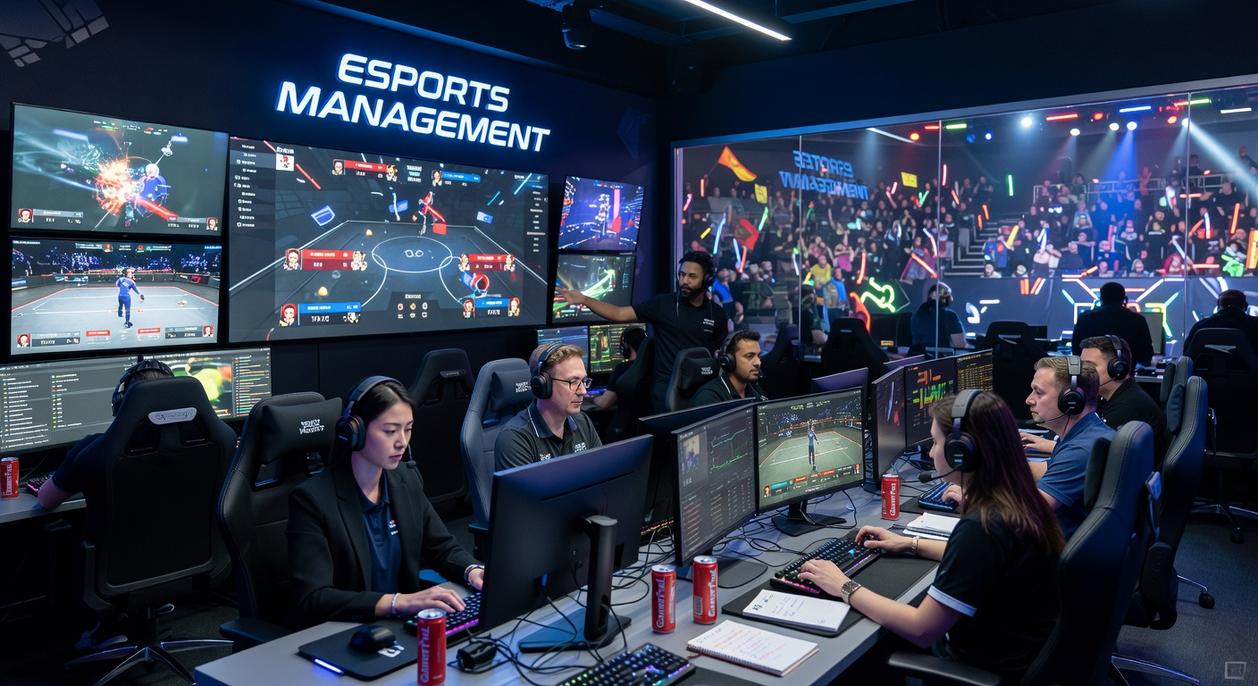
Ready to level up from competitor to organizer? This guide breaks down everything you need to know about esports tournament organization, whether you’re planning a small online bracket or a full-scale in-person showdown. Many gamers dream of hosting their own event but get stuck on logistics—rulesets, brackets, player management, streaming, and promotion can feel overwhelming. That’s where this blueprint comes in. Built from hands-on experience running community and semi-pro competitions, it delivers practical, proven steps that help you avoid common pitfalls. By the end, you’ll have a clear, actionable checklist to turn your tournament idea into a smooth, memorable event.
Phase 1: Laying the Foundation for Your Competition
Define Your Why
Start by clarifying your primary objective. Is this a laid-back bracket for friends, a community-building showcase, or a serious competitive qualifier? Your goal determines everything—from prize pool size to broadcast quality. A casual event might only need a Discord server and a simple bracket tool. A qualifier, on the other hand, demands rulebooks, referees, and dispute resolution protocols (because someone will argue about a lag spike).
Some organizers think you can “figure it out as you go.” That flexibility sounds appealing. But without a defined purpose, budgets balloon and player expectations spiral. Clear intent creates alignment—and fewer headaches.
Choose the Right Game
Pick a title with an active player base and stable custom lobbies. Games with built-in spectator modes and replay systems boost viewer engagement and simplify esports tournament organization. Technical stability isn’t glamorous, but fewer crashes mean fewer refunds (and fewer angry tweets).
Select the Optimal Format
- Single Elimination: Fast and scalable, ideal for 64+ entrants.
- Double Elimination: Greater competitive integrity; players get a second chance.
- Round Robin/Swiss: Ensures multiple matches—perfect for skill development and balanced rankings.
Each structure shapes player experience. Choose strategically.
Phase 2: Mastering Logistics and Technical Setup
Logistics can make or break an event. In esports tournament organization, your first major decision is venue: Online or LAN (Local Area Network, meaning players compete on-site using the same physical network).
Online events are cheaper and accessible to a global player base. No travel costs. No venue rentals. According to Newzoo’s 2023 esports report, over 70% of amateur tournaments are now hosted fully online due to cost efficiency. But critics argue online formats suffer from latency (delay between player input and server response) and inconsistent competitive integrity.
They’re not wrong.
LAN events offer near zero-ping gameplay, which research from Riot Games’ competitive ops team shows significantly reduces performance variance in high-stakes matches. LANs also boost social engagement (the crowd energy alone can change momentum—just ask anyone who’s watched EVO finals). The downside? Hardware, space, staffing, and insurance costs rise quickly.
The Organizer’s Tech Stack
Smooth execution depends on reliable tools:
- Bracket Management: Platforms like Challonge or Battlefy automate seeding and progression, reducing admin errors.
- Communication: A dedicated Discord server is non-negotiable for announcements, check-ins, and dispute resolution.
- Streaming: OBS Studio enables professional-grade broadcasts to Twitch or YouTube.
Pro tip: Run a full tech rehearsal 48 hours before the event to catch audio routing or overlay glitches.
Crafting the Definitive Rulebook
A public ruleset prevents chaos. Define player eligibility, code of conduct, disconnect procedures, and exact game settings. Case studies from ESL events show most disputes stem from unclear disconnect policies. Clarity upfront avoids drama later (and yes, someone will test the limits).
Structure beats improvisation—every single time.
Phase 3: Attracting Players and Building Hype
You can build the cleanest bracket in the world—but without players, it’s just an empty lobby (and that’s a sad sight).
Effective Promotion Strategy
Start where your players already hang out. Post in relevant subreddits, Discord communities, Facebook groups, and local gaming forums. Each platform has its own vibe, so tailor your message accordingly. A competitive FPS crowd may want rule clarity and prize details, while a casual community may care more about fun and format.
Create sharp, readable graphics that highlight the essentials: date, start time (with time zone), featured game, format, and prize pool. Clarity converts interest into sign-ups. Think of it like a movie poster—if people can’t tell what’s happening in three seconds, they scroll.
Pro tip: Schedule reminder posts 72 hours and 24 hours before registration closes. Consistency builds anticipation.
Streamlining Registration
Friction kills momentum. Use Google Forms or built-in bracket registration tools to collect gamer tags, Discord IDs, team rosters, and region info. The simpler the form, the higher the completion rate. In esports tournament organization, efficiency at this stage directly impacts turnout and player satisfaction.
The Prize Pool Question
Cash is great—but it’s not the only motivator. In-game currency, sponsor-provided gear, custom merch, or even a rare Discord role can spark serious competition. Structure payouts clearly (for example, 60/30/10 for top three).
Some argue prizes don’t matter for small events. That’s partly true. But visible rewards legitimize your event and signal commitment. For deeper insight into competitive balance systems, review the science of matchmaking algorithms explained.
Build hype with intention, and players will show up ready to compete.
Phase 4: Game Day Execution and Post-Event Success
I once ran a tournament where everything looked perfect—until the server refused to connect five minutes before launch. Since then, I treat the final hour as sacred.
The Pre-Event Checklist keeps chaos in check:
- Test server connections
- Confirm admin availability
- Post a welcome message in all channels
These steps may seem basic, but skipping one can derail even the best esports tournament organization plan (and yes, I learned that the hard way).
Live Event Management is where preparation meets pressure. Admins must report scores accurately, answer rule questions quickly, and resolve disputes calmly. Players feed off your tone; if you stay steady, they will too.
After the final match, don’t just log off. Post-Tournament Follow-Up builds loyalty. Share final brackets, congratulate winners publicly, post highlight clips, and send a short feedback survey. The best events don’t end—they set up the next one.
Beyond the Final Match: Building Your Tournament Legacy
You set out to master the framework behind a successful event—and now you have it. By breaking esports tournament organization into four clear phases, the overwhelm turns into action. Don’t let complexity stall your vision. Start small, refine each event, and focus on player experience. Build your reputation one tournament at a time—begin planning your next event today.