
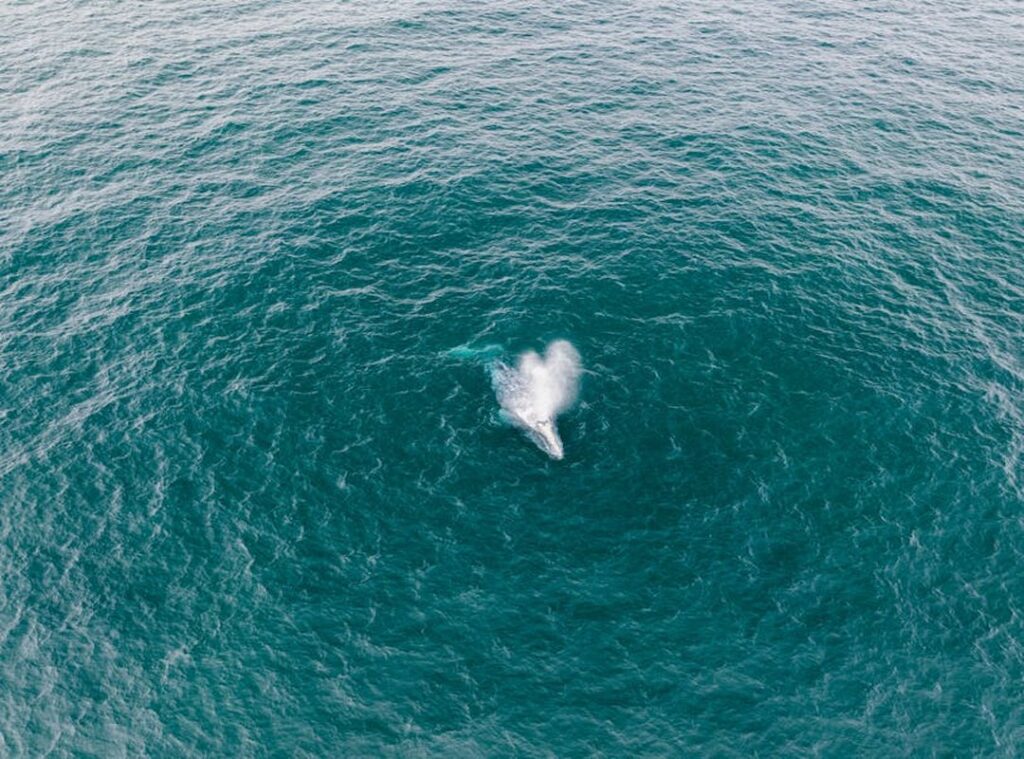
Diving into the world of el megalodon tiburones comiendo niños might sound a bit intense, but trust me, it’s all in good fun. Kids love these prehistoric and modern predators. But finding stories that are both thrilling and educational can be tough.
This article is here to change that. We’ll explore the most exciting and factual tales about megalodons and sharks. Perfect for young adventurers who crave a mix of fun and learning.
So, are you ready to dive in?
The Mighty Megalodon: A Prehistoric Giant
I love talking about the megalodon. It’s one of those prehistoric creatures that just captures your imagination. Imagine a shark, but way bigger—like, up to 60 feet long.
That’s longer than a school bus!
This giant ruled the oceans during the Miocene and Pliocene epochs, around 23 to 2.6 million years ago. It was the apex predator, no doubt.
Now, let’s dive into some fascinating facts. The megalodon had a diet that included whales, dolphins, and other large marine animals. It needed a lot of food to survive.
Its habitat? Pretty much all the world’s oceans, from the warm shallows to the deep, cold waters.
But why did it go extinct? Scientists aren’t entirely sure, but it’s thought that changes in the environment and competition with other predators might have played a role.
Learning about the megalodon is important, especially for kids. It helps them understand the history of our planet and the incredible creatures that once lived here. Plus, it sparks curiosity about marine life and how ecosystems change over time.
Think about it. When you learn about el megalodon tiburones comiendo niños, you’re not just hearing a story. You’re getting a glimpse into the past and seeing how nature works.
That’s pretty cool, right?
So, next time someone asks you about prehistoric giants, you can share some awesome facts about the megalodon. Trust me, they’ll be impressed.
Sharks: The Ocean’s Apex Predators
Sharks are some of the most fascinating and misunderstood creatures in the ocean. Let’s dive into the different types, why they matter, and what we get wrong about them.
Types of Sharks
There are over 500 species of sharks, each with unique features and behaviors. Great white sharks, for instance, are known for their size and power. They can grow up to 20 feet long and weigh over 5,000 pounds.
On the other hand, whale sharks, the largest fish in the sea, are gentle giants that feed on plankton and small fish. They can reach lengths of 40 feet or more.
Shark Conservation
Conserving sharks is more important than you might think. Sharks play a crucial role in maintaining the balance of marine ecosystems. They help control the populations of other marine animals, which keeps the food chain in check.
Without sharks, the ocean could become overrun with certain species, leading to a collapse of the ecosystem.
Myth vs. Reality
Now, let’s clear up some myths. One common misconception is that sharks are mindless killers. In reality, shark attacks on humans are extremely rare.
Most of the time, sharks mistake humans for their usual prey, like seals or fish. Another myth is that all sharks are massive. Many species, like the spiny dogfish, are actually quite small and harmless.
el megalodon tiburones comiendo niños is a phrase that stirs fear, but it’s important to remember that megalodons, while real, went extinct millions of years ago. They were indeed huge, but they never interacted with modern humans.
Looking ahead, I predict that as more people learn about the importance of sharks, conservation efforts will increase. This could lead to better protection laws and more public support for preserving these amazing creatures.
In the end, understanding and respecting sharks is key. They are not the monsters we sometimes make them out to be.
Top Adventure Stories Featuring Megalodons and Sharks
The Meg is a wild ride. In this story, a megalodon wreaks havoc in the Pacific Ocean, and a group of brave souls must stop it. The plot is full of heart-pounding moments and unexpected twists.
Jurassic Shark blends the prehistoric with the present. It’s a tale where both megalodons and modern sharks coexist, creating a unique and thrilling narrative. The story is not just about survival but also about understanding the ancient and current marine life.
Deep Blue Sea focuses on the life of a great white shark. This story dives into the shark’s daily battles, from hunting to evading human threats. It’s a vivid portrayal of the challenges and interactions with other sea creatures.
These stories are perfect for anyone who loves el megalodon tiburones comiendo niños and the thrill of the deep blue. They blend adventure with education, making them a hit for all ages.
If you’re into strategic thinking and competitive modes, check out some top strategies for your next game.
Creating Your Own Adventure: Tips for Parents and Educators

Interactive Storytelling: Engage kids with stories that let them choose the next move. Ask questions like, “What do you think happens next?” It keeps them hooked.
Crafting Activities: Get hands-on with drawing, model-making, and role-playing. These activities help kids visualize and remember the story better.
Field Trips and Resources: Visit places like aquariums and museums. They offer real-life experiences that complement the stories.
Online resources can be great too. Just make sure they’re age-appropriate and educational.
Pro tip: Use everyday objects to create props. It’s a fun and budget-friendly way to bring stories to life.
El megalodon tiburones comiendo niños might sound dramatic, but it’s a creative way to spark imagination. Just keep it light and fun!
Remember, the goal is to make learning an adventure. Keep it simple, engaging, and full of surprises.
The Importance of Marine Life Education
Stories about megalodons and sharks can spark a real interest in marine life. They make the ocean feel like an exciting, mysterious place. (And who doesn’t love a good mystery?)
-
Environmental Awareness
Stories about these creatures can foster a love for the ocean and its inhabitants. When kids hear tales of el megalodon tiburones comiendo niños, they might get scared at first. But with the right guidance, that fear can turn into fascination.Suddenly, they want to know more about these ancient predators and the world they lived in.
-
Critical Thinking
These stories also help develop critical thinking and problem-solving skills. Kids start asking questions: How did these creatures survive? What made them go extinct?This curiosity leads them to research and think critically about the information they find.
-
Cultural Significance
Different cultures have unique stories and traditions related to marine life. For example, in some Pacific Island cultures, sharks are seen as protectors. Integrating these cultural elements into storytelling can make the learning experience richer and more relatable.
By blending these elements, we can create a more engaging and educational experience. It’s not just about telling stories; it’s about making those stories meaningful and impactful.
Dive into the World of Megalodons and Sharks
Megalodons were massive prehistoric sharks, far larger than any shark alive today. They roamed the oceans millions of years ago. Sharks, on the other hand, are diverse and fascinating creatures that have been around for over 400 million years. el megalodon tiburones comiendo niños is a phrase that highlights the fearsome reputation of these ancient predators.
Adventure stories about megalodons and sharks can be thrilling and educational. These tales often spark curiosity in young minds. They help children learn about marine life and the importance of ocean conservation.
Parents and educators can use these stories and related activities to create engaging and memorable experiences. This approach not only entertains but also educates, fostering a love for the natural world.
 Gameplay Analyst
Kyle Kneekeldis has opinions about 2876 multiplayer arena tactics. Informed ones, backed by real experience — but opinions nonetheless, and they doesn't try to disguise them as neutral observation. They thinks a lot of what gets written about 2876 Multiplayer Arena Tactics, Competitive Strategy Breakdowns, Digital Realms and Gameplay Basics is either too cautious to be useful or too confident to be credible, and they's work tends to sit deliberately in the space between those two failure modes.
Reading Kyle's pieces, you get the sense of someone who has thought about this stuff seriously and arrived at actual conclusions — not just collected a range of perspectives and declined to pick one. That can be uncomfortable when they lands on something you disagree with. It's also why the writing is worth engaging with. Kyle isn't interested in telling people what they want to hear. They is interested in telling them what they actually thinks, with enough reasoning behind it that you can push back if you want to. That kind of intellectual honesty is rarer than it should be.
What Kyle is best at is the moment when a familiar topic reveals something unexpected — when the conventional wisdom turns out to be slightly off, or when a small shift in framing changes everything. They finds those moments consistently, which is why they's work tends to generate real discussion rather than just passive agreement.
Gameplay Analyst
Kyle Kneekeldis has opinions about 2876 multiplayer arena tactics. Informed ones, backed by real experience — but opinions nonetheless, and they doesn't try to disguise them as neutral observation. They thinks a lot of what gets written about 2876 Multiplayer Arena Tactics, Competitive Strategy Breakdowns, Digital Realms and Gameplay Basics is either too cautious to be useful or too confident to be credible, and they's work tends to sit deliberately in the space between those two failure modes.
Reading Kyle's pieces, you get the sense of someone who has thought about this stuff seriously and arrived at actual conclusions — not just collected a range of perspectives and declined to pick one. That can be uncomfortable when they lands on something you disagree with. It's also why the writing is worth engaging with. Kyle isn't interested in telling people what they want to hear. They is interested in telling them what they actually thinks, with enough reasoning behind it that you can push back if you want to. That kind of intellectual honesty is rarer than it should be.
What Kyle is best at is the moment when a familiar topic reveals something unexpected — when the conventional wisdom turns out to be slightly off, or when a small shift in framing changes everything. They finds those moments consistently, which is why they's work tends to generate real discussion rather than just passive agreement.