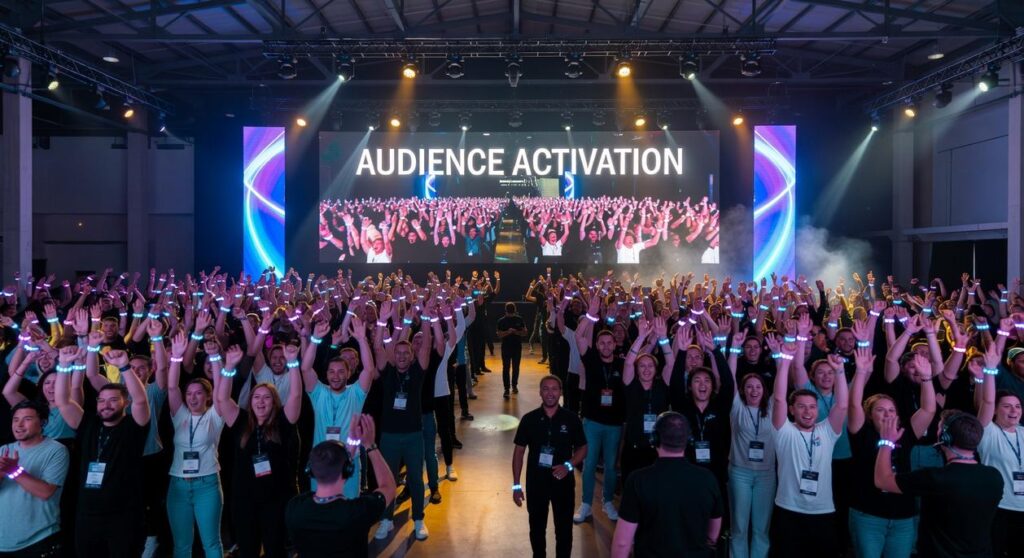
Staying ahead in today’s fast-moving gaming landscape isn’t just about playing more — it’s about understanding what’s changing and why it matters. Whether you’re looking for trending game highlights, sharper competitive strategies, or smarter multiplayer arena tactics, this article is built to give you exactly that. We break down the most important gameplay developments, explain core mechanics in simple terms, and analyze how current updates and live game events impact performance, rankings, and meta shifts.
Many players struggle to separate hype from truly game-changing updates. That’s why this guide focuses on practical insights you can apply immediately — from foundational gameplay basics to advanced competitive breakdowns. Our analysis draws from high-level match data, community trends, and insights from experienced competitive players to ensure accuracy and relevance.
By the end, you’ll have a clearer understanding of what’s shaping the current meta, which tactics are worth mastering, and how to elevate your performance in both casual and competitive arenas.
The roar after a last-second goal feels almost supernatural, as if millions of strangers share one heartbeat. In an age of on-demand everything, that collective gasp is rare. So why do we still rearrange schedules for live sports? I believe it’s the unscripted risk. Unlike bingeable dramas, there’s no spoiler-proof safety net; uncertainty is the product. Psychologists call this variable reward, the same mechanism that powers slot machines (yes, really). Meanwhile, streaming tech amplifies live game events impact, turning phones into portable stadiums. Ultimately, modern competitive entertainment borrows this immediacy, because nothing bonds us faster than now. Right here together.
The psychology of the live moment is powerful. First, consider FOMO, or Fear of Missing Out: the anxiety that others are experiencing something rewarding without you. When a championship game tips off at 8 p.m., the clock creates urgency, and social feeds turn every play into currency. After the final buzzer, the moment is history, and no highlight package quite replicates being there.
However, some argue that replays and on-demand streaming make schedules irrelevant. Why rearrange your night when you can watch later? Yet that misses the point. Community forms in real time. Whether in a stadium, a bar, or a scrolling chat, fans build shared identity through synchronized emotion (yes, even the collective groan). Back in 2016, when a certain finals comeback unfolded over seven games, the suspense became a cultural timestamp.
Moreover, live sports thrive on unpredictability: unscripted drama where anything can happen. Scripted shows may shock, but they cannot change the outcome midstream. That uncertainty fuels attention and drives measurable live game events impact. Finally, think of digital campfires: esports tournaments with thousands typing at once, echoing ancient gatherings around flame. We return again and again because shared time feels alive. And we hate missing it deeply.
Decoding Modern Viewership: More Than Just Eyeballs on a Screen
For decades, viewership meant one thing: Nielsen ratings. These ratings estimate how many households watch a program on traditional linear TV (scheduled broadcasts delivered via cable or satellite). In contrast, digital platforms track far more granular metrics like Average Minute Audience (the average number of viewers watching during any given minute), Concurrent Viewers (how many people are watching at the same time), and Hours Watched (total cumulative viewing time). In other words, we’ve gone from guessing who’s on the couch to counting every click.
However, numbers alone don’t tell the full story. Enter the second-screen phenomenon. While a match streams on one device, fans debate plays on Twitter, remix highlights on TikTok, and flood group chats with memes faster than you can say “that escalated quickly.” This fragmentation actually amplifies reach. Social media becomes a real-time commentary booth, extending live game events impact far beyond the primary broadcast.
Meanwhile, streaming has shattered geographic limits. A fan in São Paulo can watch the World Cup final alongside viewers in Berlin or Seoul without relying on delayed replays. FIFA reported over 1.5 billion viewers for the 2022 World Cup final (FIFA), measured largely through traditional broadcast estimates. Compare that to the 2023 League of Legends World Championship, which peaked at over 6 million concurrent viewers excluding China (Esports Charts), driven primarily by digital platforms.
Skeptics argue digital metrics inflate engagement because devices, not people, are counted. Fair point. Yet digital data offers precision linear TV never could.
For deeper competitive breakdowns, see the weekly esports recap biggest plays and upsets explained.
The Engagement Engine: Turning Spectators into Participants
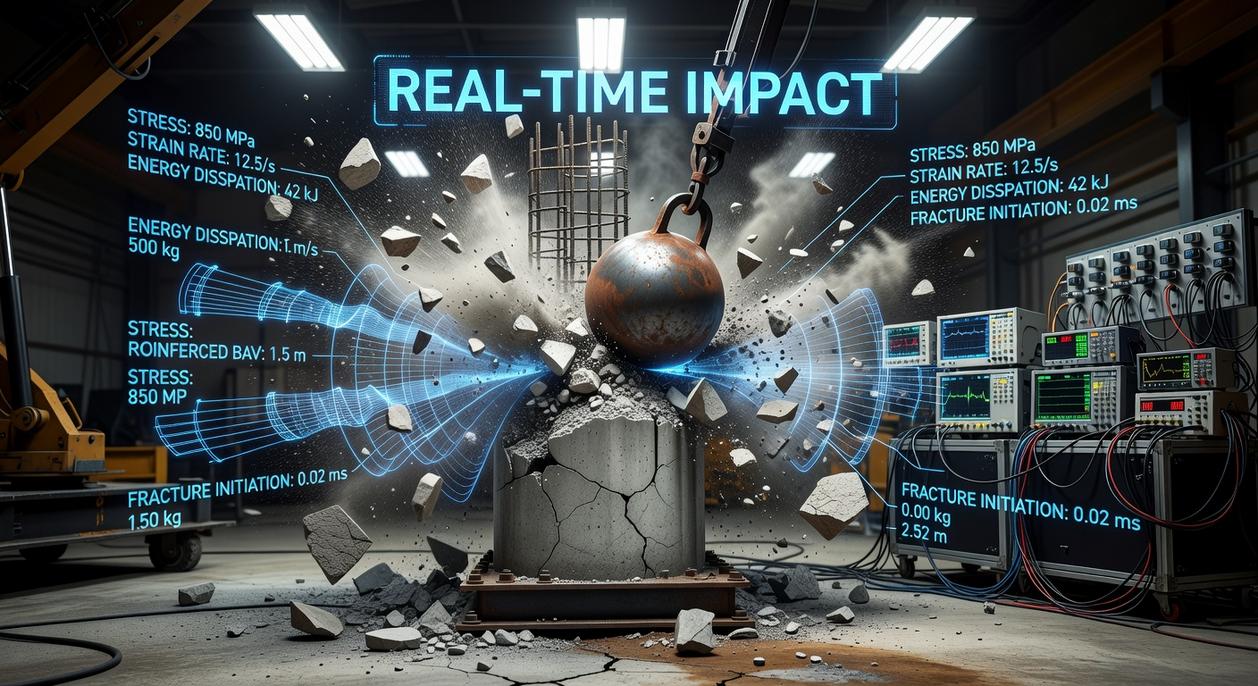
Think of modern sports entertainment like a theme park. You can stand in line and watch the rides go by—or you can strap in. Interactive overlays are the seatbelts. Features like live polls, quizzes, and integrated fantasy stats transform passive viewers into active decision-makers. Instead of merely observing a clutch play, fans predict outcomes, track player heat maps, and feel the live game events impact in real time. It’s the difference between watching a chess match and sitting at the board.
Some critics argue this distracts from “pure” viewing. They say too many features clutter the screen. Fair point. But data from interactive broadcast trials shows engagement time increases when viewers can participate (Nielsen, 2023). Interactivity, when designed well, doesn’t dilute the experience—it DEEPENS it.
Social media integration works the same way. A hashtag is a billboard. Player Q&As, behind-the-scenes clips, and user-generated highlight contests? That’s a backstage pass. Fans don’t just consume content; they co-create it. (And yes, seeing your meme featured by a team feels like winning MVP of the internet.)
Then there’s player-centric streaming. When athletes share personal commentary or gameplay, it’s like shifting from a stadium loudspeaker to a one-on-one conversation. Parasocial connection—where fans feel personally connected to public figures—has been shown to boost loyalty (Horton & Wohl, 1956).
Finally, tactical breakdowns:
- Real-time strategy analysis
- Multiplayer arena comparisons
- Performance trend insights
Hardcore fans crave this layer. It’s not just fireworks—it’s the playbook. And once you see the game through that lens, there’s no going back.
The Future of Fandom: Where Live Events Go Next
The future of fandom builds on three core drivers: psychological urgency, community belonging, and deepening interactivity. A buzzer-beater shot or last-second objective steal triggers a now-or-never response that on-demand replays simply can’t replicate. That immediacy fuels live game events impact, binding strangers into a single emotional moment (yes, even the rival fans).
But what comes next? Consider in-stadium AR vs at-home VR. AR enhances the physical arena—real-time stats hovering above players, interactive seat-based games, dynamic overlays visible through smart glasses. VR, by contrast, brings the arena home, placing fans courtside or inside the digital battlefield. AR amplifies presence; VR recreates it. One deepens reality, the other rebuilds it.
Then there’s AI-driven personalization. Traditional broadcasts offer one feed for millions. AI flips that: personalized camera angles, custom stat dashboards, even commentary styles tailored to your preferences. Think casual explainer mode vs analyst-level breakdown—Sunday viewer vs esports strategist.
Some argue this tech risks isolating fans into algorithmic bubbles. Fair concern. Yet smarter personalization can actually enhance shared moments by letting fans engage at their comfort level before joining the wider conversation.
Ultimately, traditional sports vs esports won’t be either/or. They’re converging—faster, more interactive, and globally connected—reshaping what it means to belong.
You came here to understand how trending highlights, digital realms, competitive breakdowns, and multiplayer tactics shape your gameplay—and now you have the clarity to move forward with confidence. From mastering core mechanics to adapting strategies around live game events impact, you’re better equipped to compete, react, and win.
The real challenge isn’t finding information—it’s applying the right tactics when the pressure is on. Falling behind in fast-paced arenas, misreading event-driven shifts, or overlooking performance tweaks can cost you rankings, rewards, and momentum. Staying sharp and adaptable is what separates casual participation from consistent victory.
Level Up Your Competitive Edge
Now it’s time to act. Put these strategies into practice in your next match, analyze how live game events impact your decisions in real time, and refine your loadouts and tactics accordingly. If you’re serious about climbing the leaderboard and dominating your arena, stay locked in for the latest breakdowns, proven strategies, and performance insights trusted by competitive players. Don’t just play—play smarter. Jump back in and start winning today.