You’re already stressed enough about the GRE or TOEFL.
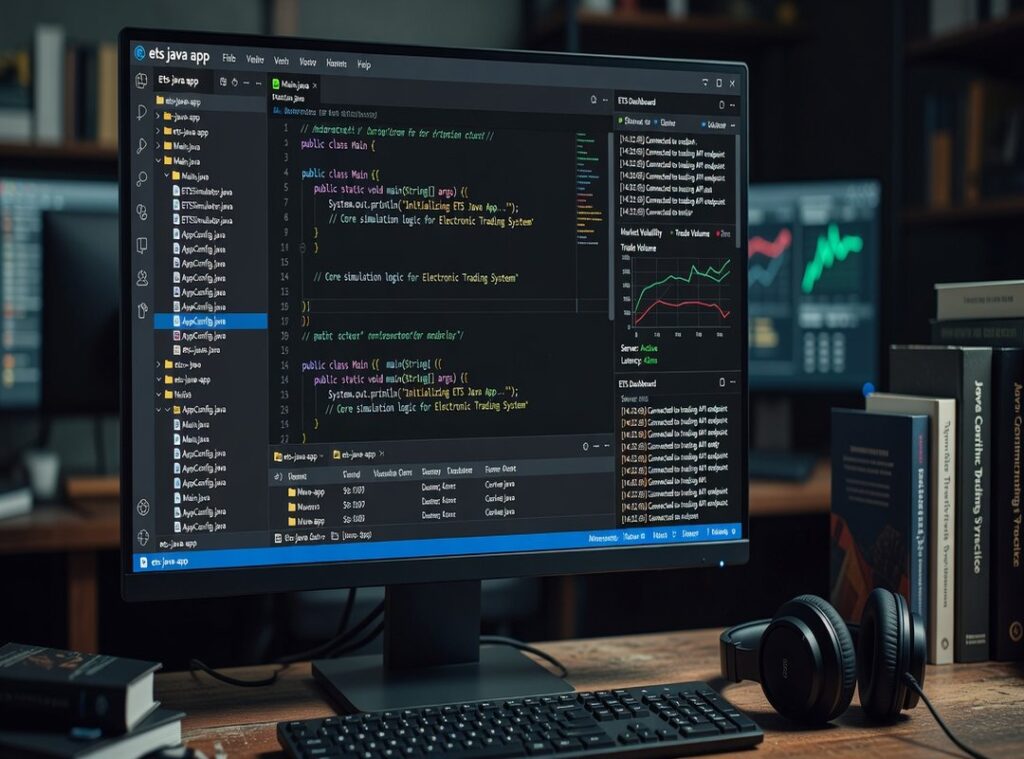
Now you’re staring at a blank screen wondering why Etsjavaapp won’t launch. Or worse, why it crashed during your practice test.
I’ve watched too many people freeze up because their laptop decided to betray them two hours before test day.
It’s not your fault. The software is finicky. And nobody tells you what it actually is (or) how to stop it from failing.
This isn’t a technical deep dive. It’s a no-jargon walkthrough of what Etsjavaapp does, why it exists, and exactly what to do so it runs when it matters.
I’ve guided hundreds through this. Seen every error. Fixed every quirk.
By the end, you’ll know how to test it, fix it, and trust it.
No surprises on test day. Just calm.
Etsjavaapp: What It Really Is (and Why It Hates Your Browser)
It’s not software you install for fun. It’s not something you leave running in the background. It’s the ETS Secure Test Browser (a) locked-down, single-purpose program built to deliver high-stakes exams.
It does three things. And only those three:
Lock your machine down tight. Serve the test exactly as ETS designed it.
I’ve watched students panic when it blocks their Zoom notifications or disables copy-paste. That’s not a bug. That’s the whole point.
Run the timer like a courtroom judge.
Think of it like the software inside an ATM. No games. No updates mid-transaction.
Just one job, done with zero tolerance for deviation.
Different tests (GRE,) Praxis, TOEFL iBT Home Edition. Use slightly different versions. Same core idea.
Same ironclad rules.
You don’t “use” it like Chrome or Slack. You launch it only when your exam starts. And yes.
It will kill your Spotify, mute your mic, and freeze your desktop if you try to cheat. (Good.)
This isn’t optional bloatware. It’s required infrastructure. If it fails, your test stops.
Period.
Read more about how it behaves on your system. Especially if you’re testing from home in Chicago or rural Maine. Location matters.
Your setup matters more.
Don’t treat it like a normal app. It’s not. It’s a gatekeeper.
Why a Custom Java App? Security First, Fairness Second
You’re sitting there staring at the screen thinking: Why can’t I just take this test in Chrome like everything else?
I get it. Web browsers feel familiar. Comfortable.
But familiarity is dangerous here.
This isn’t a quiz on your company intranet. It’s a high-stakes assessment where Etsjavaapp locks down your machine (no) alt-tabbing to Slack, no sneaking a Google search, no peeking at notes open in another window.
It kills access to everything outside the test. Files. Browser tabs.
Even your desktop background resets to blank gray (yes, really).
That’s not control for control’s sake. It’s how you prevent cheating without watching over someone’s shoulder.
And yes. It means no extensions injecting scripts or changing font rendering mid-test. No browser updates breaking the timer.
No Safari vs Firefox vs Edge inconsistencies.
Every person, in every country, sees the exact same interface. Same font size. Same spacing.
Same blinking cursor behavior. Same 2-second delay when you click “next”.
Standardization isn’t bureaucracy. It’s fairness.
A web test might load fast on your M2 Mac but hang for 8 seconds on a school-issued Chromebook. That’s not testing knowledge. That’s testing hardware luck.
I covered this topic over in this post.
The Java app runs the same way everywhere (because) it’s built to.
You don’t notice stability until it’s gone. Then you’re stuck staring at a frozen progress bar while the clock ticks down.
This isn’t about making things harder. It’s about removing noise so your focus stays on the questions. Not your browser’s weird font smoothing or that one extension that always breaks forms.
You want your score to reflect what you know. Not whether your laptop decided to update mid-test.
So yeah. It’s Java. It’s old-school.
It works.
When the ETS App Glitches. Here’s What Actually Works
I’ve watched people panic over a frozen screen five minutes before test time. It happens. A lot.
The Etsjavaapp won’t launch. Or it opens and slams shut with an error. You’re not missing something obvious.
Java versions do break it. Always check that first.
Run it as administrator. Right-click → “Run as administrator.” Not optional. Windows hides permissions like it’s a secret.
Also: kill screen recorders. OBS, Zoom background blur, even some antivirus pop-ups (they) fight for control. The app loses.
It freezes mid-test? Breathe. Your answers are almost certainly saved.
ETS saves every 30 seconds. (They don’t tell you that, but they do.)
At home? Message your proctor immediately. Don’t wait.
Don’t restart yet. They’ll tell you whether to reboot or keep going.
At a test center? Raise your hand. Same deal (your) work is safe.
Just get help now, not after the clock runs out.
Chrome tabs, Slack, Spotify, Discord (all) of it. Then check your connection. Wired beats Wi-Fi every time.
Lag? Slow loading? Close everything.
If you’re on Wi-Fi, move closer to the router. No shame in it.
And yes (your) laptop might meet the bare minimum specs on paper. But if it’s older than 2019, run the official ETS equipment check at least three days before test day. Not the night before.
Not the morning of.
This guide covers how to handle outdated versions and silent conflicts. read more.
You don’t need new hardware. You need clean execution.
Test day isn’t about perfection. It’s about knowing what breaks. And how fast you can fix it.
Skip the equipment check? That’s gambling with 4 hours of your life.
I’ve seen too many people lose points because they assumed their setup was fine.
It’s not about being tech-savvy. It’s about doing two things: running the check early, and closing other apps.
That’s it.
Your Pre-Test Tech Checklist: Do This the Day Before
I run this list before every proctored exam. Every time. Even when I’m sure my laptop’s fine.
Run the Official Equipment Check.
This is non-negotiable. It’s the only thing that tells you if your machine actually works with the test platform. Not just “seems okay.” Skip it, and you’re gambling with 3 hours of your life.
(Yes, I’ve seen people fail to launch the browser five minutes before start time.)
Update your OS and Java. Not “maybe update.” Not “if you feel like it.” Do it. The Etsjavaapp needs stable, current Java (outdated) versions crash silently or refuse to load.
Windows Update and macOS Software Update take five minutes. Do them.
Disable firewalls and antivirus just for the test. They see secure browsers as suspicious. They block things without asking.
Turn them off an hour before. Turn them back on after. Simple.
Don’t argue with me about security here. This is temporary.
Restart your computer 15 (30) minutes before the exam starts. Not five minutes. Not right at go-time.
Ask everyone in your house to stop streaming. No Netflix. No Zoom calls.
A full restart clears memory leaks, kills rogue background apps, and stops Chrome from eating 4GB RAM for no reason.
No large downloads. Your upload speed matters more than you think. Especially for live proctoring.
One pro tip: Close every app except your browser. Yes, even Slack. Even Spotify.
Even that one PDF you opened three days ago. Close it all.
Your Test Day Starts Now
I’ve seen too many people freeze up (not) from tough questions. But because Etsjavaapp crashed. Or froze.
Or refused to launch.
That’s not your fault. It’s avoidable.
You now know what Etsjavaapp actually is. You’ve got the pre-test checklist. You can spot trouble before it stops your clock.
No more guessing. No more last-minute panic.
You’re ready to handle the tech (so) you can focus on your answers.
What’s stopping you from checking right now?
Your test computer is sitting there. The ETS site is open in another tab.
Don’t wait for test day. Go to the official ETS website and run the equipment check on the computer you’ll use (right) now.
It takes three minutes.
And it saves you from a meltdown at 8:59 a.m.
Do it. Then breathe.